Pasote (Dysphania ambrosioides)
Traditional spice and aromatic medicinal herb
Characteristics
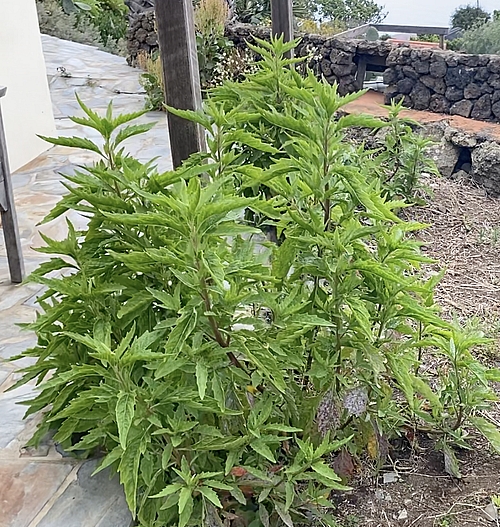
It is known as Jesuit’s tea, Mexican tea, or wormseed. It is an annual or perennial herbaceous plant in the amaranth family (Amaranthaceae). It can grow up to one and a half meters tall. When rubbed, it gives off a distinctive, resinous scent. The plant is native to South and Central America and was already known to the Aztecs. The name therefore comes from their language, Nahuatl. In Nahuatl, there are the words “epatl” (malodorous herb) and “tzotl” (sweet). The scent of this herb is indeed both strong and sweet. The Aztec word evolved into Epazote and later into Pasote, with the “s” pronounced like a “z.” However, the idea that this plant smells bad does not correspond to our perception.
Habitat
It prefers sunny, warm locations with well-drained, nutrient-rich, and moderately moist soil. Epazote is considered undemanding and often grows on wasteland or along roadsides.
Uses
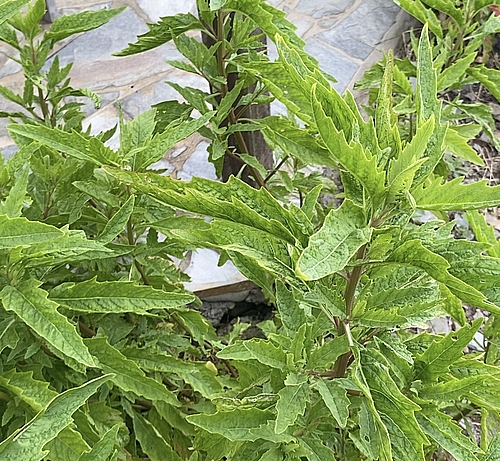
In southern Mexico, epazote is indispensable. Fresh or dried leaves are used to season bean dishes and, thanks to the compound ascaridol, are highly effective at reducing flatulence. The herb is also brewed as “Mexican tea.” Since the essential oil is toxic, raw leaves should be consumed only in small amounts. An infusion made from the leaves helps with digestive problems, colic, and stomach cramps. In addition, epazote has analgesic and antifungal properties and helps soothe coughs. External poultices support wound healing and aid in the treatment of insect bites, snake bites, and hemorrhoids. The oil of epazote, rich in ascaridol, was long considered a remedy for intestinal parasites and amoebic dysentery
Observations
Some plants that establish themselves in our surroundings have a special aura. They somehow catch your attention. Epazote is one of them. We find this plant endearing and treat it with respect. Its spicy scent and flavor have a soothing effect even without harvesting it. It’s not surprising that it possesses toxic properties, since medicinal plants are mixtures of active compounds, and medicinal effects and toxic effects cannot be biologically separated from one another. In our experience, brewing one or two pasote leaves as tea and drinking it when experiencing discomfort is beneficial.
More
There’s a short video about this plant on our YouTube channel: